Best Beginner Woodworking Projects for a Weekend
By Woodshop Blueprints ·
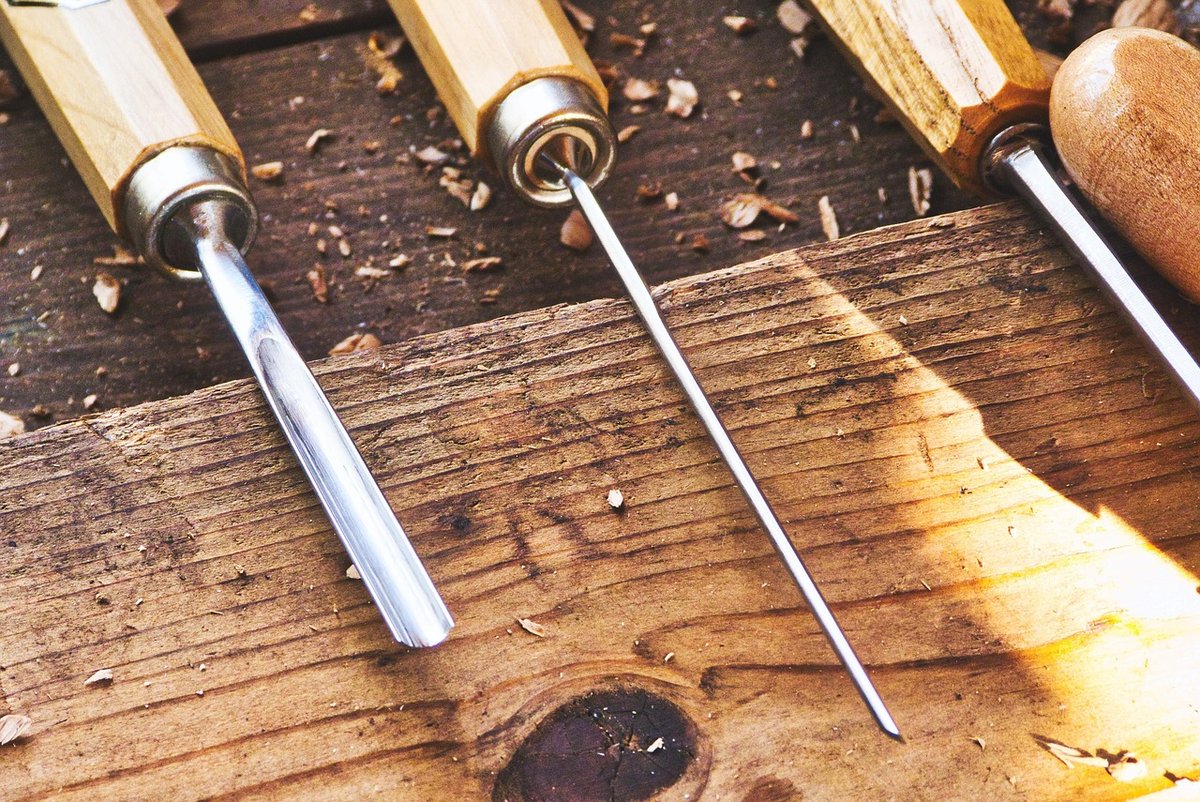
It's Saturday morning. Your coffee is warm, the garage door is open, and a few boards lean against the wall. You want to build something today, but you're not sure where to start.
That feeling is common. The good news is that many simple projects fit into one weekend. They teach real skills, and you end up with something you can use.
What Makes a Good Weekend Project
A good first project is small. It uses straight cuts and simple joints. It also forgives a few mistakes.
Look for projects that need only a few tools. A saw, a drill, a tape measure, a square, clamps, sandpaper, wood glue, and screws cover most of them. You don't need a full shop to get started.
It also helps to pick something you will actually use. A useful piece keeps you motivated. It gives you a reason to build a second one, a little better.
Six Beginner Projects You Can Finish in a Weekend
1. A Simple Wall Shelf
A wall shelf is one board on top and two small brackets underneath. You practice measuring, cutting square, and drilling pilot holes. Hanging it level teaches patience too.
Drive screws into wall studs, or use anchors rated for the weight. Keep your first shelf short. A shorter shelf sags less.
2. A Wooden Storage Crate
A crate is four sides and a bottom. It's a great way to learn simple butt joints with glue and screws. Crates hold tools, toys, books, or garden gear.
Check that your box is square before the glue sets. Measure corner to corner both ways. If the two numbers match, the box is square.
3. A Planter Box
A planter box is like a crate with drain holes. Cedar is a popular choice because it holds up well outside. Leave small gaps between the bottom boards so water can escape.
You can line the inside with landscape fabric. It helps keep soil from washing out. Skip finishes on the inside if you plan to grow food.
4. A Small Step Stool
A step stool is a bit more of a challenge. It has a top, two legs, and a brace to keep it stiff. You learn how parts work together to carry weight.
Build it wide and low for your first try. Test it carefully before anyone stands on it. If it rocks, trim the long leg until it sits flat.
5. A Birdhouse
A birdhouse uses small pieces and a few angled cuts for the roof. It's a fun project to do with kids. Scraps from other projects often work fine.
Drill a few small holes near the top for air and in the floor for drainage. Make the roof or one side able to open so you can clean it later. Leave the inside unfinished.
6. A Serving Tray or Cutting Board
A tray is a flat base with low sides and two handles. A cutting board can be even simpler: one thick hardwood board, shaped and sanded smooth. Both make nice gifts.
Choose a tight-grain hardwood like maple for anything that touches food. Finish it with a food-safe oil. Avoid soft woods for cutting boards, since they scratch easily.
How to Plan Your Weekend
Split the work into small steps. Rushing is how most mistakes happen. A loose plan might look like this:
- Friday night: Read your plan, make a cut list, and buy your wood and supplies.
- Saturday morning: Measure, mark, and cut all your parts.
- Saturday afternoon: Dry fit the parts, then glue and screw them together.
- Sunday: Sand, apply finish, and let it dry.
Finishes often need more time than you expect. Read the label on the can. Some need hours between coats.
Tips for Choosing Wood
Pine is cheap, easy to find, and easy to cut. It's a fine choice for shelves, crates, and practice pieces. It dents easily, so expect a few marks.
Sight down each board to check for bends and twists. Pick straight boards with few knots. A few extra minutes at the store saves trouble later.
Simple Habits That Make Projects Better
- Measure twice, cut once. It's an old saying because it works.
- Drill pilot holes. They keep screws from splitting the wood.
- Dry fit first. Put the parts together without glue to check the fit.
- Sand in steps. Start with a coarse grit and move to a finer one.
- Wipe up glue fast. Dried glue blocks stain and finish.
Stay Safe in the Shop
Wear safety glasses every time you cut, drill, or sand. Use hearing protection with loud tools. A dust mask helps when sanding.
Clamp your work so it can't move. Keep your hands away from blades. Read the manual for every power tool before you use it.
If a cut feels unsafe, stop. There is almost always another way to make it.
Your First Project Doesn't Have to Be Perfect
Your first shelf or crate may have gaps or rough edges. That's normal. Each project teaches you something for the next one.
Pick one idea from this list and start small. By Sunday night, you could have something you made with your own hands.
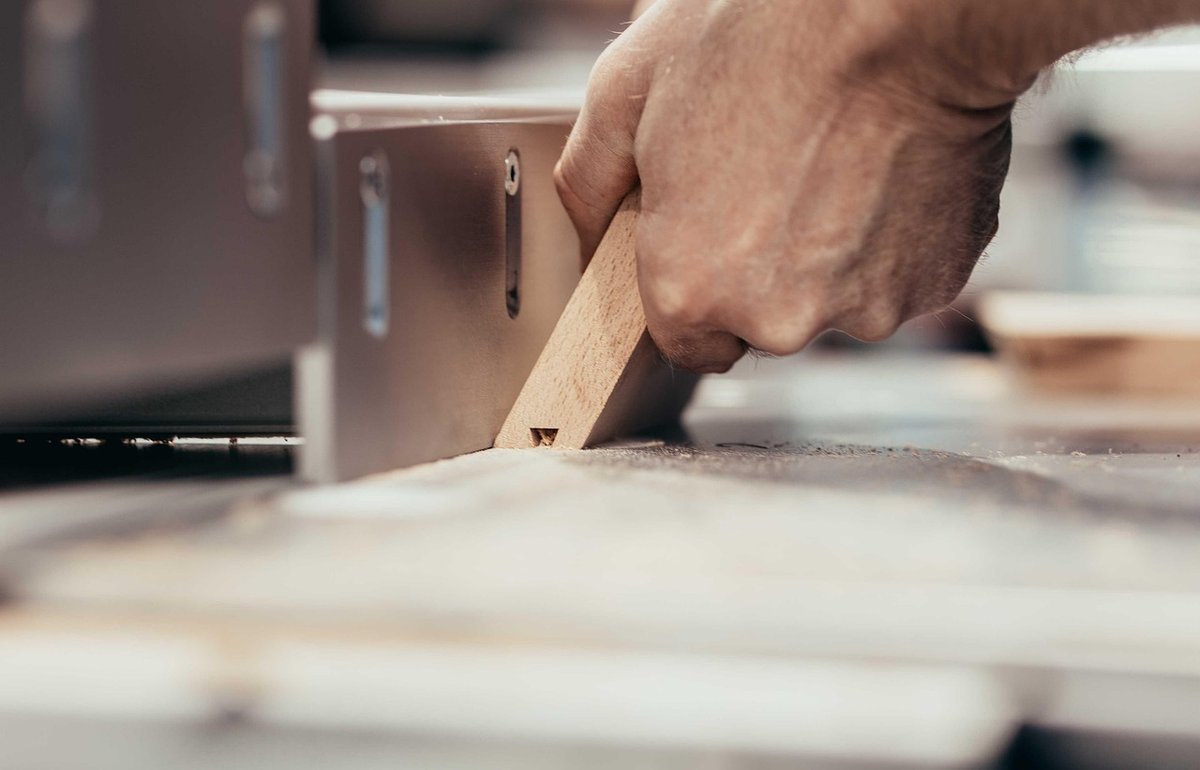
Power tools can cause serious injury, so if you feel unsure about using one, consider a hands-on class or guidance from an experienced woodworking instructor.
If you'd like step-by-step plans with measurements and cut lists, take a look at our full guide.
We may earn a commission if you buy through links on our guide. Individual results vary. Always follow safe tool and workshop practices.