Best Wood Glue for Beginner Projects: A Simple Guide
By Woodshop Blueprints ·
You finally cut the pieces for your first little shelf. Now you are standing in the hardware store aisle, staring at a wall of glue. White bottles, yellow bottles, brown bottles, and tubes stuck together in pairs all look like they do the same job.
It is easy to freeze up here. The good news is that the choice is simpler than it looks. Let's walk through it together.
The Short Answer
For most beginner projects, a yellow wood glue is the best place to start. It is often called PVA glue or carpenter's glue. It is cheap, easy to find, easy to clean up, and very strong on bare wood.
If your project will live outside or near water, pick a water-resistant yellow glue instead. Those two bottles will cover almost everything a new woodworker builds.
The Main Types of Wood Glue
Here is a quick look at the glues you will see on the shelf. Each one has a job it does well.
Yellow Wood Glue (PVA)
This is the everyday workhorse. It grabs fast, dries hard, and sands without gumming up much. Wet squeeze-out wipes off with a damp rag.
It works best on clean, tight-fitting joints. It is not great at filling big gaps.
White Glue
This is the same family as yellow glue, but softer. It gives you a little more time to adjust parts before it grabs. It is fine for crafts and light indoor projects, but yellow glue is usually the better pick for furniture.
Water-Resistant PVA
This looks like yellow glue but holds up better against moisture. Use it for cutting boards, planters, porch benches, and bathroom shelves. Check the label to see if it is rated for indoor damp areas or full outdoor use.
Polyurethane Glue
This brown glue foams as it dries. It sticks to wood, metal, stone, and some plastics, and it handles water well. The foam can push out of joints and make a mess.
It also stains skin for days, so wear gloves. Many labels say to dampen the wood first, so read the directions.
Epoxy
Epoxy comes in two parts that you mix together. It fills gaps well and bonds many different materials. It is handy for repairs and loose joints, but it takes more work and costs more.
Super Glue (CA Glue)
Super glue sets in seconds. It is great for tiny fixes, small chips, or holding a piece while other glue dries. It is not a good choice for big joints that take a lot of stress.
Hide Glue
This old-fashioned glue can be loosened later with heat and moisture. Furniture repair folks like it for that reason. Most beginners can skip it for now.
How to Pick the Right Glue for Your Project
Ask yourself a few simple questions before you buy.
- Will it stay indoors and dry? Use regular yellow wood glue.
- Will it get wet or sit outside? Use water-resistant PVA or polyurethane.
- Do the parts fit loosely or have gaps? Epoxy fills gaps better than PVA.
- Are you gluing wood to metal or plastic? Epoxy or polyurethane is a better match.
- Is it a tiny, quick fix? Super glue can do the job.
- Do you need extra time to line things up? Look for a glue with a longer "open time" on the label.
Open time just means how long you can move the parts before the glue starts to grab. Bigger projects with many parts need more of it.
Tips for a Strong Glue Joint
Even the best glue fails if the joint is poor. These habits make a big difference.
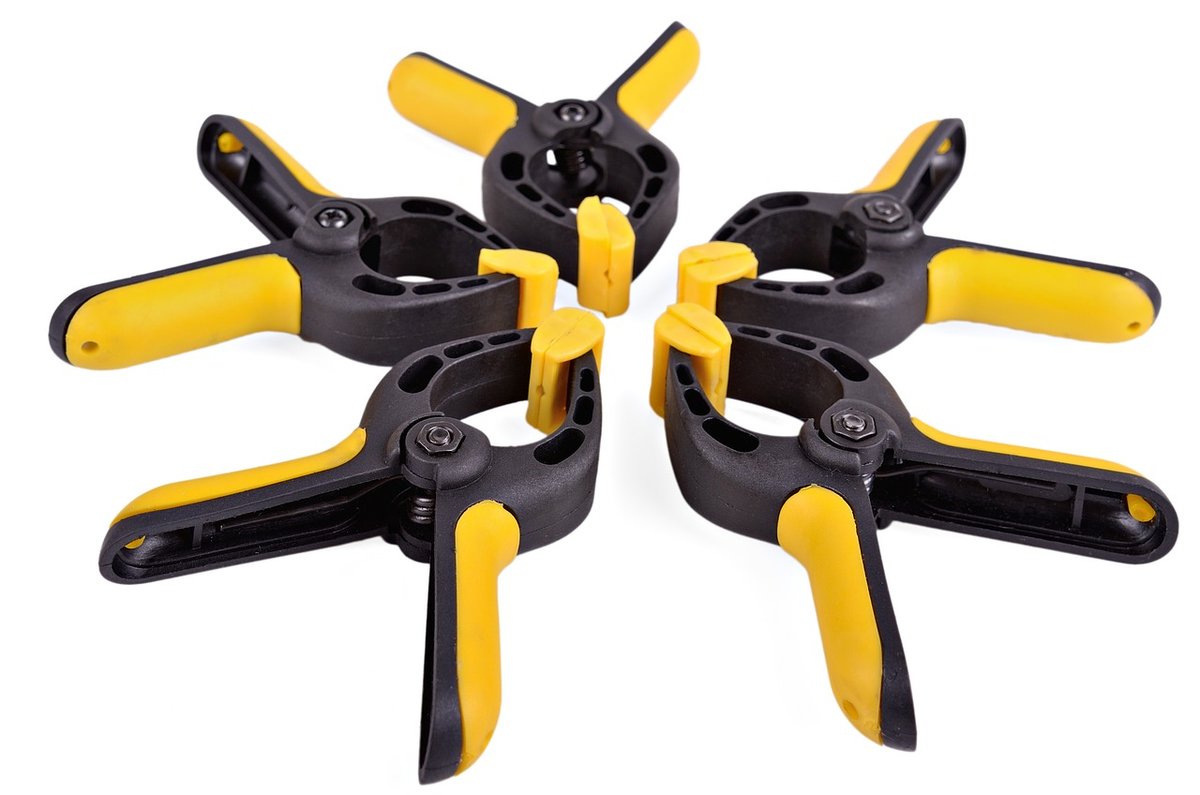
- Dry-fit first. Put the parts together without glue. Make sure everything lines up and your clamps reach.
- Start with clean wood. Wipe away dust. Glue sticks poorly to oil, old finish, or paint.
- Aim for tight joints. PVA glue works best when wood touches wood. Do not count on glue to fill gaps.
- Spread a thin, even coat. Cover both surfaces lightly. A scrap stick or small brush helps.
- Clamp firmly, not crazy tight. You want a small, even bead of squeeze-out. Cranking too hard can push out too much glue.
- Follow the label times. Each glue lists how long to clamp and how long before the joint takes stress. Be patient.
- Deal with squeeze-out. Wipe it while wet, or let it turn rubbery and scrape it off. Dried glue blocks stain.
Common Beginner Mistakes
Most glue problems come from a few simple slip-ups. Knowing them saves a lot of frustration.
- Using too much glue. More is not stronger. It just makes a mess.
- Gluing end grain alone. The ends of boards soak up glue and hold poorly. Add screws, dowels, or a better joint.
- Working in the cold. Many wood glues do not set well in a chilly garage. Check the lowest temperature on the label.
- Using old glue. Glue that is lumpy, stringy, or very thick may be past its prime. Replace it.
- Forgetting about stain. Glue smears leave light spots under stain. Clean up well before finishing.
Keep It Simple
You do not need a shelf full of glues to start. One bottle of yellow wood glue and one bottle of water-resistant glue will handle most beginner builds.
Add epoxy or super glue later when a project calls for it. Focus on good fits, clean wood, and patient clamping, and your joints will hold up well.
If glue gets in your eyes or causes a skin reaction, contact a doctor or other qualified medical professional.
Ready to put that glue to work on a real project? Take a look at our full guide for more beginner-friendly woodworking ideas.
We may earn a commission if you buy through links on our guide. Individual results vary. Always follow safe tool and workshop practices.