Common Woodworking Mistakes Beginners Make
By Woodshop Blueprints ·
You finally clear out a corner of the garage. You buy a few boards at the hardware store and spend a Saturday building a simple shelf. Then you set it on the floor, and it rocks back and forth like a seesaw.
That feeling is normal. Almost every new woodworker runs into the same small problems. The good news is that most of them are easy to fix once you know what to look for.
Here are the most common beginner mistakes, and what you can do instead.
Safety Mistakes
Skipping eye and ear protection
Wood chips fly fast. Power tools are loud, and hearing damage adds up over time. Wear safety glasses and ear protection every time, even for a quick cut.
Wearing loose clothes or jewelry
Spinning blades and bits can grab a sleeve, a string, or a ring. Roll up your sleeves, tie back long hair, and take off rings and bracelets. Keep your hands well away from the blade path.
Working when tired or distracted
Shop accidents often happen when your mind is somewhere else. If you feel tired, upset, or hurried, stop for the day. The wood will still be there tomorrow.
Measuring and Planning Mistakes
Measuring once and cutting right away
The old saying "measure twice, cut once" exists for a reason. Check every measurement before you cut. Mark your cut line clearly with a sharp pencil or a marking knife.
Forgetting about the blade's width
A saw blade removes a thin strip of wood called the kerf. If you cut right down the middle of your line, your piece may come out a little short. Mark the waste side with an X, and cut on that side of the line.
Switching measuring tools
Two tape measures can read a little differently. Pick one tape or ruler and use it for the whole project. That keeps all your parts the same.
Starting without a plan
Jumping in without a drawing often leads to wasted wood. Sketch your project first, even on scrap paper. Write down each part, its size, and how many you need, then bring that list when you shop.
Wood Mistakes
Picking warped or twisted boards
Not every board on the rack is straight. Hold one end up and look down its length like you are aiming. Leave behind boards with bows, twists, cracks, or large knots.
Forgetting that wood moves
Wood swells and shrinks as the air gets more or less humid. A wide panel locked tight on all sides can crack over time. Let new boards rest in your shop before you build, and learn joints that allow some movement.
Ignoring the grain
Grain direction affects how wood cuts and sands. Working against the grain can cause tear-out, those rough chipped spots. If a surface tears, try working from the other direction.
Tool Mistakes
Buying too many tools too soon
It is tempting to fill the shop right away. But many great first projects need only a few basic tools. Start small, and add a tool when a real project calls for it.
Using dull blades and bits
A dull blade burns wood, leaves rough edges, and takes more force to push. More force means less control. Keep blades sharp and clean, and replace them when they stop cutting well.
Not checking for square
Tools can drift out of adjustment. A saw that is a little off will make every cut a little off. Check your tools with a good square before an important project.
Assembly and Finishing Mistakes
Using too much glue
More glue does not mean a stronger joint. Extra glue squeezes out and can block stain later. Use a thin, even layer, clamp firmly, and clean up the squeeze-out.
Skipping the dry fit
Always put your parts together without glue first. This shows you problems while they are still easy to fix. It also helps you plan where your clamps will go.
Rushing the sanding
Skipping sandpaper grits leaves scratches that show up under finish. Work through the grits in order, from coarse to fine. Sand with the grain, and wipe off the dust between steps.
Not testing the finish
Stain can look very different on real wood than on the can. Test your stain and finish on a scrap from the same board. Follow the drying times on the label, and work in a space with good airflow.
Mindset Mistakes
Starting with a project that is too big
A dining table sounds exciting. But a big first project can feel overwhelming. Try a cutting board, a small box, or a simple shelf first.
Expecting perfection
Every woodworker makes gaps, dents, and crooked cuts. Mistakes are part of learning. Keep your early projects, because they show how far you have come.
A Quick Checklist Before Each Project
- Put on safety glasses and ear protection.
- Sketch the project and write a cut list.
- Pick straight, solid boards.
- Check that your blades are sharp and your tools are square.
- Measure twice and mark the waste side.
- Dry fit before you glue.
- Test your finish on a scrap.
Woodworking is a skill you build one project at a time. Slow down, plan ahead, and treat each mistake as a lesson. Your next shelf will sit flat.
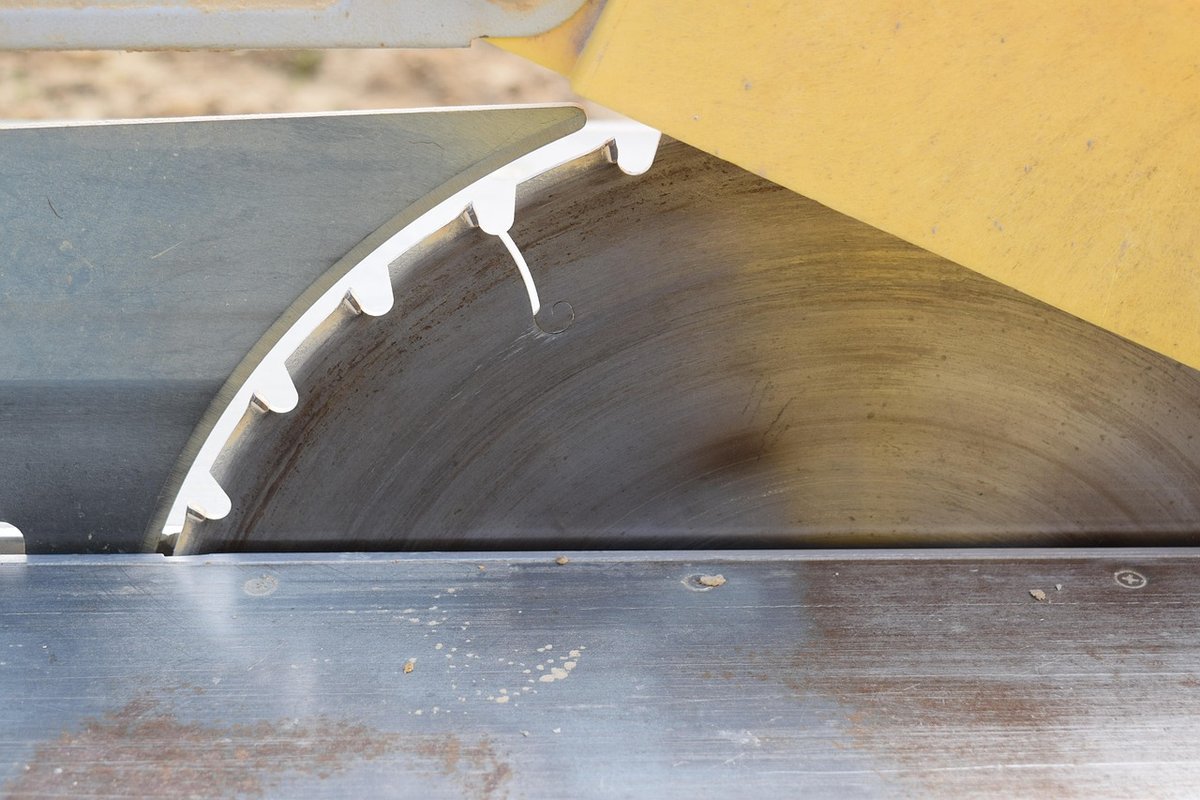
Power tools can cause serious injury, so consider learning from a qualified instructor and see a medical professional if you get hurt.
Want simple plans to practice these skills? Take a look at our full guide.
We may earn a commission if you buy through links on our guide. Individual results vary. Always follow safe tool and workshop practices.