How to Use a Circular Saw Safely: A Simple Guide
By Woodshop Blueprints ·
It's Saturday morning. A sheet of plywood sits on two sawhorses in your driveway, and a circular saw is in your hand. You pull the trigger, the blade screams, and a small voice asks, "Am I doing this right?"
That voice is a good thing. A circular saw is one of the most useful tools in a home shop. It also demands respect, and a few simple habits make a big difference.
Know the Main Danger: Kickback
Kickback happens when the blade gets pinched or snagged in the wood. The saw can jump back toward you in a split second. Most safety steps below are about keeping this from happening.
Wood pinches the blade when the cut closes up behind it. It also happens when you twist the saw or push too hard. If you understand this, the rest of the rules make sense.
Before You Plug It In
Dress for the Job
- Safety glasses. Sawdust and chips fly fast.
- Hearing protection. Circular saws are loud, and hearing loss adds up over time.
- A dust mask. Fine dust is not good to breathe.
- Snug clothes. Roll up loose sleeves and tie back long hair.
Take off rings, bracelets, and dangling necklaces. Anything loose can catch on a spinning blade.
Check the Saw
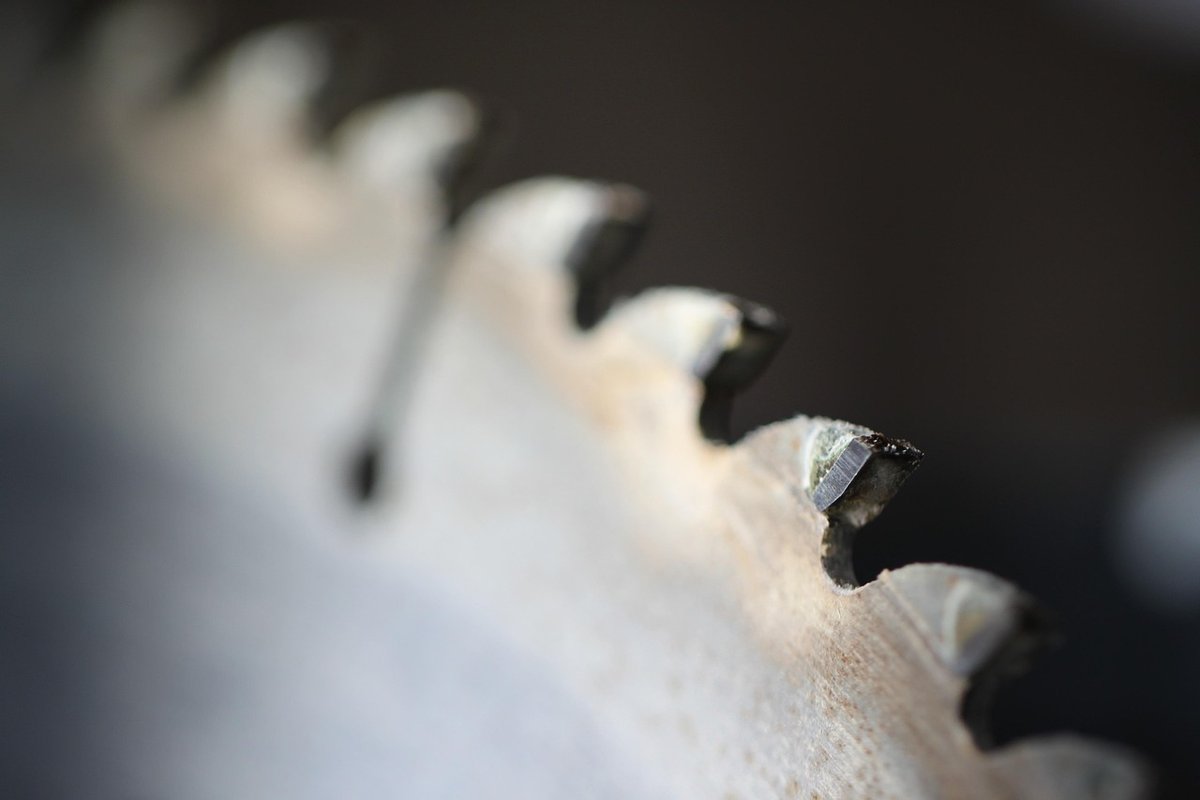
Look at the blade first. A dull or dirty blade burns the wood and makes the saw fight you. Swap it out if the teeth are chipped or worn.
Make sure the blade teeth point the right way. Most saws have an arrow on the guard that shows the spin direction. Always unplug the saw or pull the battery before you touch the blade.
Next, test the lower blade guard. Pull it back with the lever and let it go. It should snap closed on its own. If it sticks, clean it or fix it before you cut.
Set Up the Cut
Support the Wood the Right Way
This is the step many beginners miss. Never cut a board that is supported only at both ends, with your cut in the middle. The wood sags, the cut closes, and the blade gets pinched.
Instead, support the board so the waste piece can fall away freely. Another good option is to lay the sheet on a piece of rigid foam board on the ground. The foam holds up both sides, and the blade cuts just into the foam.
Clamp It Down
Do not hold the wood with one hand and the saw with the other. Use clamps to keep the board from moving. Your hands should be on the saw, not near the blade path.
Set the Blade Depth
Lower the blade so it sticks out just a little below the bottom of the board. A good rule is about the height of one tooth. Less blade showing means less blade that can catch.
Clear Your Space
- Keep the power cord behind you and away from the cut line.
- Move tools, scraps, and cups of coffee off the work area.
- Keep kids and pets well away.
- Make sure you have solid footing, not a slippery tarp.
Making the Cut
- Stand to the side. Keep your body out of line with the blade. If the saw kicks back, it won't come straight at you.
- Use both hands. Most saws have a main handle and a front knob. Keep a firm grip on both.
- Let it spin up. Pull the trigger and let the blade reach full speed before it touches the wood.
- Keep the base flat. The wide metal plate, called the shoe, should ride flat on the board the whole time.
- Don't force it. Push at a steady pace. If the motor slows down a lot, ease up.
- Go straight. Don't twist the saw to correct a wandering line. Stop, back out, and start again.
- Never reach under the board. The blade sticks out below, and you can't see it.
- Wait for the stop. When you finish, let go of the trigger and wait for the blade to stop before you lift the saw.
Use a Guide for Straight Cuts
A straight edge clamped to the board helps a lot. You can use a level, a factory edge of plywood, or a store-bought track. A straight cut is less likely to bind.
What to Do if the Saw Binds
Sometimes the blade starts to stick or the saw bogs down. Let go of the trigger right away. Hold the saw still and let the blade stop.
Do not yank the saw backward while the blade is spinning. Once it stops, check why it bound. Often the wood needs better support or a wedge in the cut to keep it open.
Everyday Habits That Keep You Safe
- Don't rush. Most mistakes happen when you hurry to finish.
- Don't cut when tired. If your focus slips, take a break.
- Read the manual. Every saw is a little different, and the manual shows its features.
- Practice on scraps. Try a few cuts on junk wood before your real project.
- Unplug when you walk away. Even for a short break.
A Quick Checklist Before Every Cut
- Glasses, ear protection, and dust mask on.
- Blade sharp, tight, and facing the right way.
- Guard snaps back on its own.
- Board clamped and supported so the cut won't pinch.
- Blade depth set just below the wood.
- Cord and clutter out of the way.
- Body to the side, both hands on the saw.
None of this takes long once it becomes a habit. After a few projects, you'll run through the list without thinking. That calm, careful routine is what lets you enjoy the work and keep building for years.
If you get hurt or feel unsure about using power tools, please talk to a qualified professional, and see a doctor for any injury.
If you'd like more help planning your next woodworking project, take a look at our full guide.
We may earn a commission if you buy through links on our guide. Individual results vary. Always follow safe tool and workshop practices.