Why Does My Wood Warp After Cutting It?
By Woodshop Blueprints ·
It is Saturday morning in the garage. You rip a nice straight board on the table saw. By the time you pick up the two pieces, one has a curve in it like a banana.
That feels unfair. The board looked flat at the store. So what happened? The short answer is that wood is still moving, even after it is cut and dried.
The good news is that warping is not random. Once you know the causes, you can plan around most of them.
Wood Is Never Truly Still
A tree is full of water. When lumber dries, it shrinks. But it does not shrink the same amount in every direction.
Wood shrinks the most along the growth rings. It shrinks less across the rings. It barely shrinks along its length. These uneven changes pull the board in different ways.
Wood also keeps trading moisture with the air. On humid days it takes water in. On dry days it lets water out. This never fully stops.
The Main Reasons Boards Warp After a Cut
1. Hidden stress gets released
Trees grow under strain. They lean, fight wind, and hold up heavy limbs. That strain stays locked inside the wood.
In a whole board, the forces balance each other out. When you cut it, you remove part of that balance. The remaining wood relaxes and moves. That is why a rip cut can bow or spread apart right on the saw.
2. The inside and outside are not equally dry
Sometimes the outer layer of a board is drier than the core. Kiln drying can leave the board with stress from this difference. Woodworkers call it case hardening.
When you cut into the board, you expose wetter wood. That new surface dries and shrinks. The board cups or bends toward the drier side.
3. You took more off one side
Say you plane only the top face of a board. You just removed wood from one side and left the other side alone. That can upset the balance and make the board cup.
Fresh surfaces also dry faster than old ones for a while. Uneven milling leads to uneven drying.
4. The way the board was sawn from the log
Most store lumber is flat-sawn. The growth rings curve across the end of the board. As it dries, it tends to cup away from the center of the tree.
Quarter-sawn boards have rings that run up and down. They stay flatter. They usually cost more and can be harder to find.
5. The wood came home too wet
Lumber at big stores is often stored outside or in open sheds. It may hold more moisture than your shop air. When you bring it inside, it keeps drying and moving for days or weeks.
How to Keep Your Wood Flat
You cannot stop wood from moving. But you can work with it. These habits help a lot.
Let the wood settle first
Bring boards into your shop and leave them alone for a while before you build. Let them get used to the air where they will live. A week or two is a common habit for many woodworkers.
If you have a moisture meter, check a few spots. Wait until the readings stop changing.
Store boards the right way
- Stack them flat on a level surface.
- Put thin strips of wood, called stickers, between layers so air can reach both faces.
- Line the stickers up in straight columns so the boards do not sag.
- Keep wood away from heaters, damp walls, and direct sun.
Cut a little big, then wait
Rough cut your parts a bit wider, thicker, and longer than you need. Then let them rest for a day or two. Any stress will show up while you still have extra wood to work with.
After that, mill them to final size. This two-step method saves a lot of frustration.
Mill both sides evenly
When you plane, flip the board between passes. Take about the same amount off each face. This keeps the moisture and stress more balanced.
Try to finish milling and gluing within a short time. Parts that sit around half-milled tend to wander.
Seal the ends
End grain loses water much faster than the faces. That can cause cracks and uneven drying. A coat of wax, end sealer, or even old paint on the ends slows things down.
Finish every side
When your project is done, apply finish to all faces, including the back and underside. A finish on only one side lets that side gain or lose moisture at a different rate. That is a common cause of cupped tabletops.
Pick better boards at the store
- Sight down each board to look for bow and twist.
- Look at the end grain. Rings running up and down usually mean a more stable board.
- Avoid boards cut from the very center of the log, where the pith is.
- Skip boards with wild grain or big knots if you need parts to stay straight.
Stay Safe When a Board Moves on the Saw
If a board starts to close up behind the blade during a rip, it can pinch the blade. That can throw the wood back at you. Use a riving knife or splitter, and keep your body out of line with the blade.
If a cut starts binding, turn off the saw and let the blade stop. A small wedge in the kerf can hold it open while you finish.
The Bottom Line
Wood warps after cutting because you released stress or exposed wood with a different moisture level. It is a normal part of working with a natural material.
Give your lumber time to settle. Cut big, rest it, and mill evenly. With those habits, flat and square parts become much easier to get.
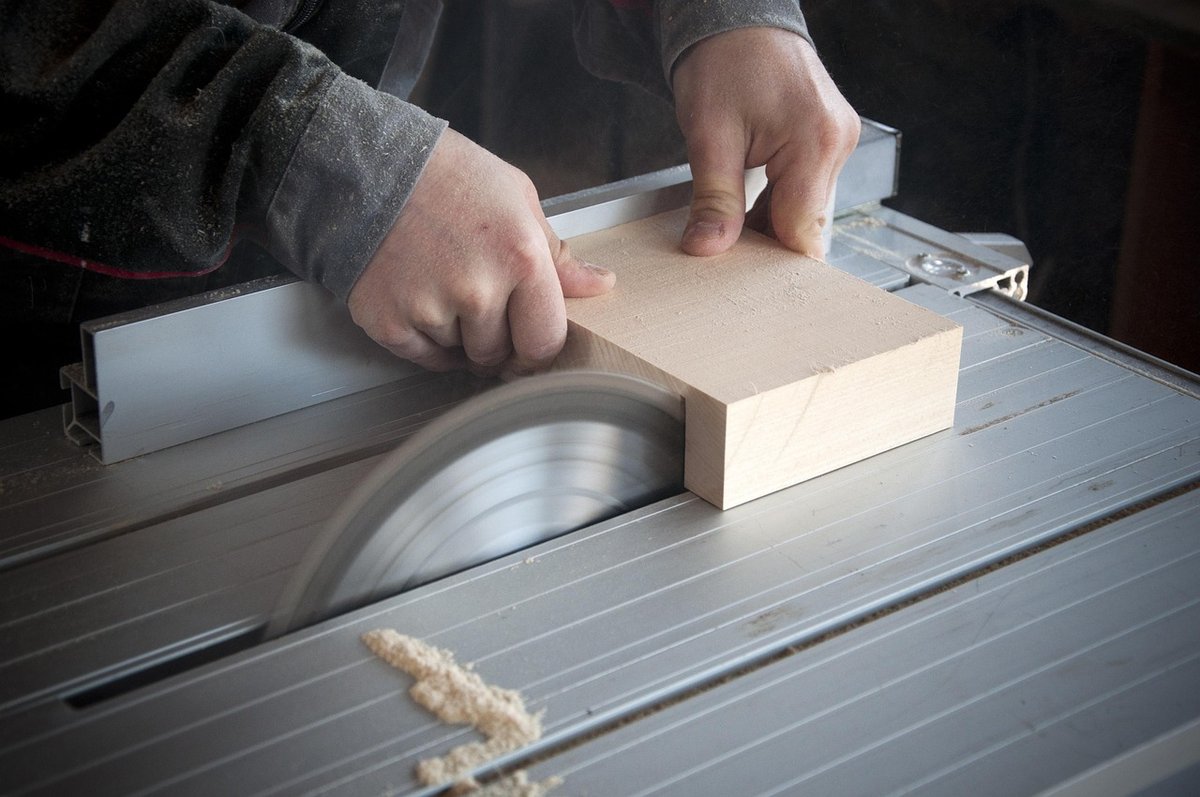
If you are unsure how to safely handle boards that pinch the saw blade, ask an experienced woodworking instructor or shop professional to show you safe techniques.
Want more help planning projects that stay flat and square? Take a look at our full guide when you have a few minutes.
We may earn a commission if you buy through links on our guide. Individual results vary. Always follow safe tool and workshop practices.